


Marine environments do not follow one size fits all policies. A vessel that is operating inside a busy port will face completely different kinds of hazards once it is sailing into open waters. As ships move from controlled harbour zones into offshore environments, the risk profile shifts significantly, requiring equipment reliability, stronger planning, and operational awareness.
But there is something which you must consider: Are the safety strategies used in ports enough for handling the challenges of offshore environments?
Port operations: Busy waters come with hidden risks
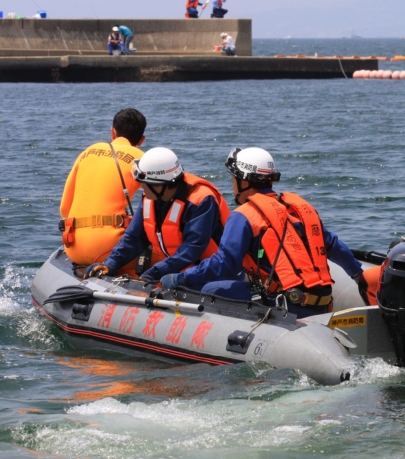
Ports are often viewed as safer because they normally operate in sheltered waters with more or less established infrastructure. However, port-based marine operations are far away from risk-free. Heavy cargo handling, constant vessel traffic, and tight vessel maneuvering create complex working conditions.
Docking and undocking also require precise coordination between crew members, pilots, and port authorities. Any incident of a single miscommunication can lead to costly delays or incidents.
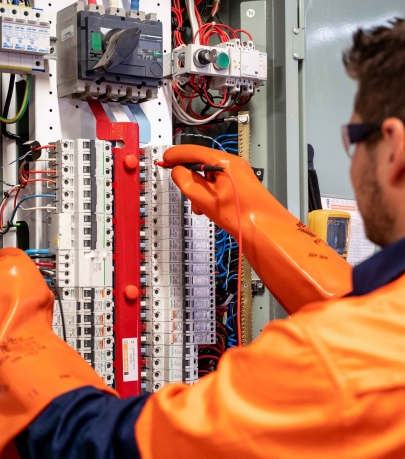
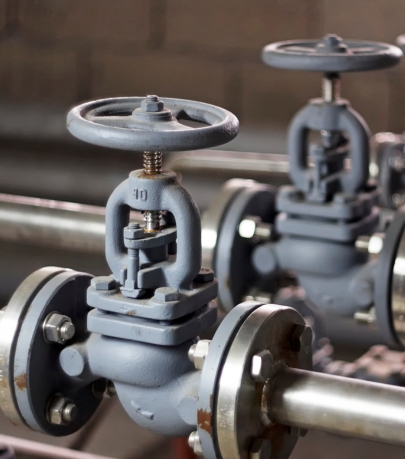
Regular inspections and only well-maintained marine safety equipment will make sure that vessels remain prepared for any emergencies before they leave the port.
This brings us to a very important question: How prepared is your vessel after it leaves the structured environment of a port?
Offshore operations: Increased intensity of risk
After vessels enter offshore environments, the safety landscape dramatically changes. Offshore operations expose ships to unpredictable weather, remote working conditions, and stronger waves where immediate assistance is not always available.
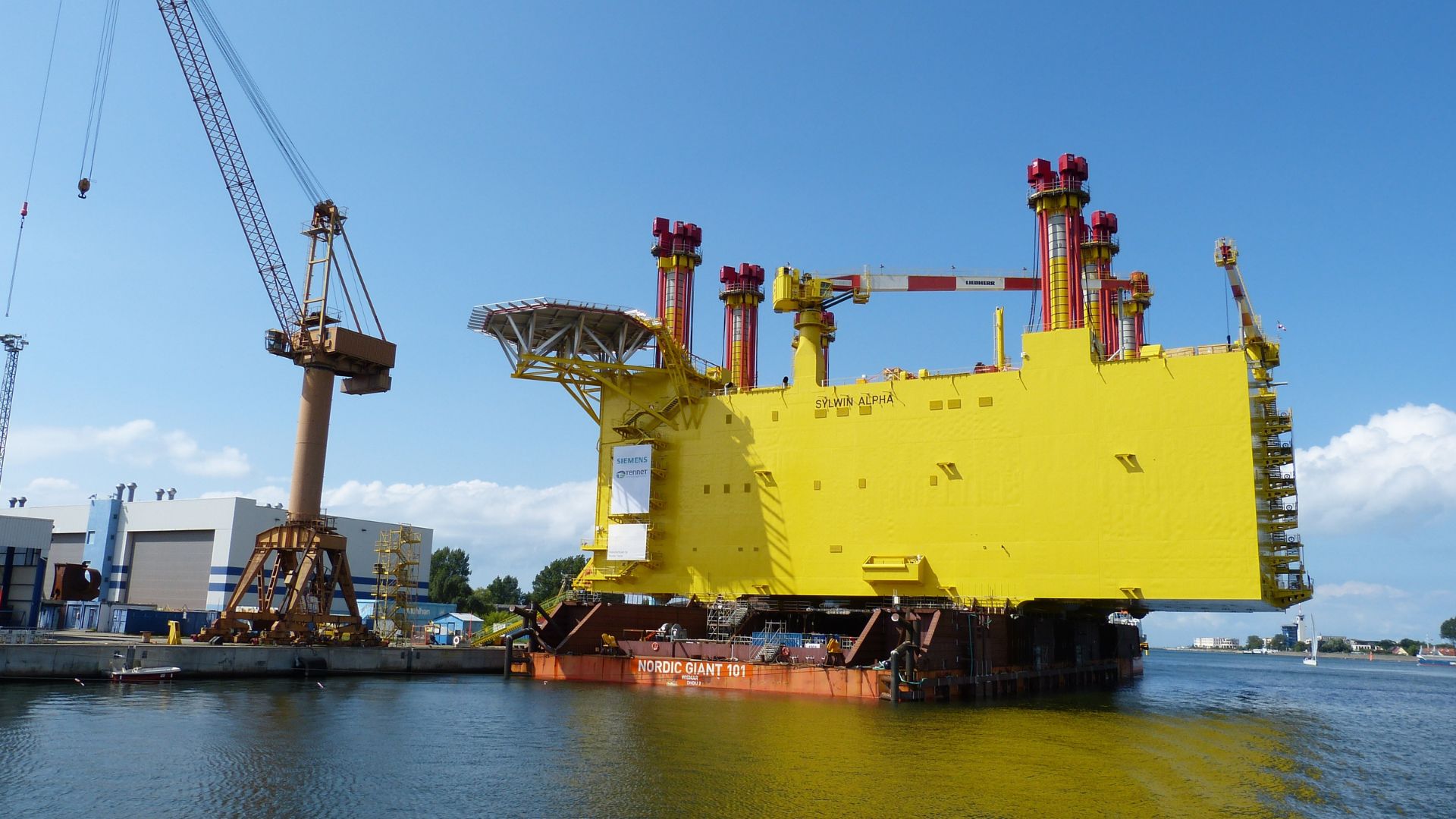
Unlike ports, offshore locations require specialised activities such as transporting equipment, supporting offshore platforms, and conducting exploration operations. These tasks increase operational complexity and also require stronger maritime risk management strategies.
In such conditions, dependable marine safety equipment becomes crucial. Firefighting equipment, emergency systems, and lifesaving appliances must perform flawlessly whenever required.
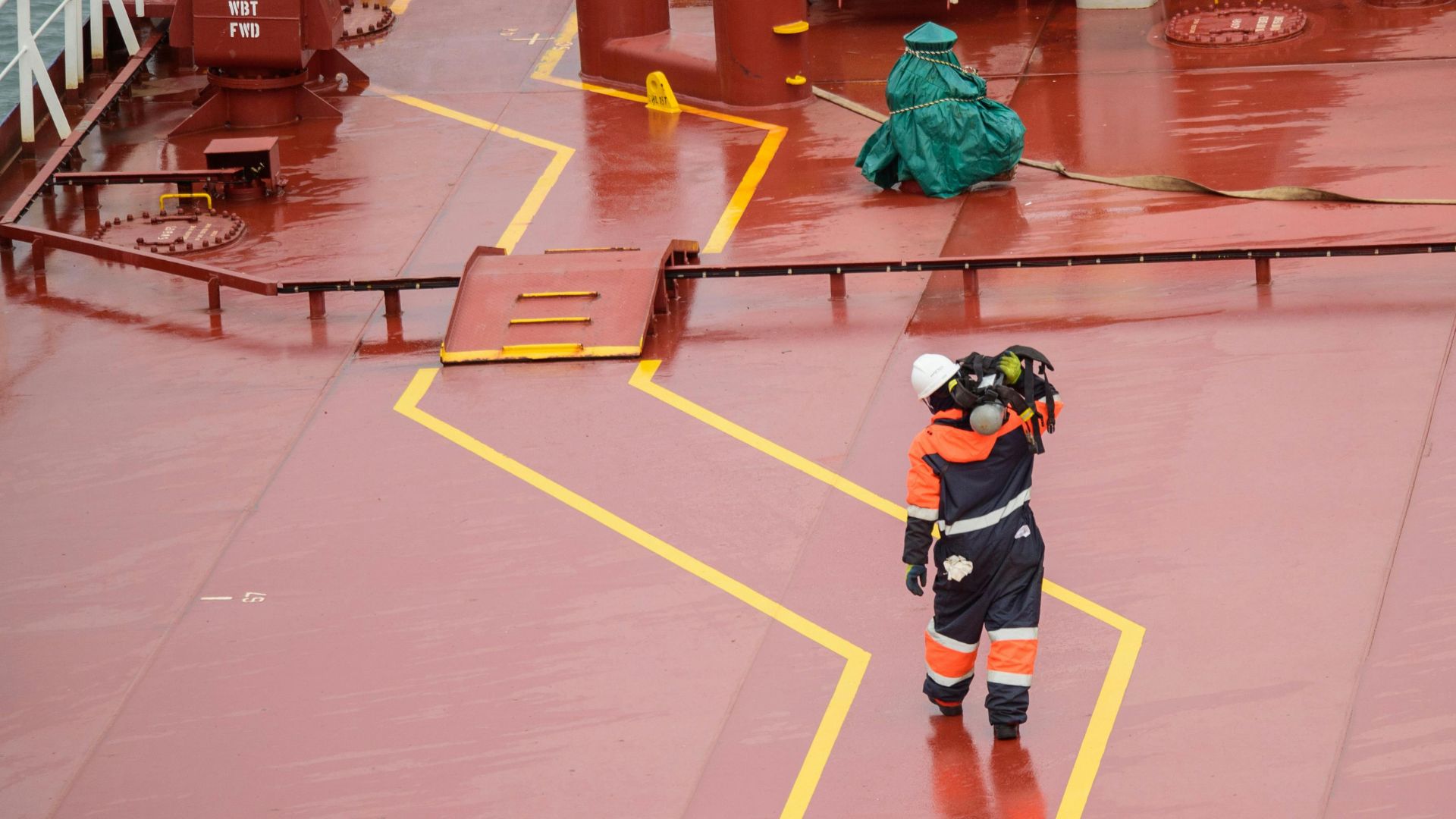
Adapting safety strategies in changing environments
The transition from port to offshore is not just a change in location; it is more of an operational risk shift. Port-based marine operations rely on procedural safety and coordination, while offshore operations require resilience, advanced safety planning, and preparedness.
Only ship managers who understand these principles can better operate their vessels and crews. By prioritising effective maritime risk management, ensuring reliable marine safety equipment, and maintaining strict vessel safety compliance, vessels can confidently operate in both environments.
Why Global Marine Services?
Global Marine understands the challenges faced by ship managers and offshore crews when they work in dynamic maritime environments.
You get dependable support for:
- Vessels operating in ports and offshore locations
- A trusted partner who is committed to protecting cargo, crew, and vessel performance
- Professional guidance in compliance with modern maritime risk management policies.
Partner with Global Marine Services to ensure your vessel remains compliant, equipped, and prepared for every stage of marine operations.