


Skip to content Skip to footer

Why Regular Marine Inspections Are Critical for Vessel Safety and Compliance

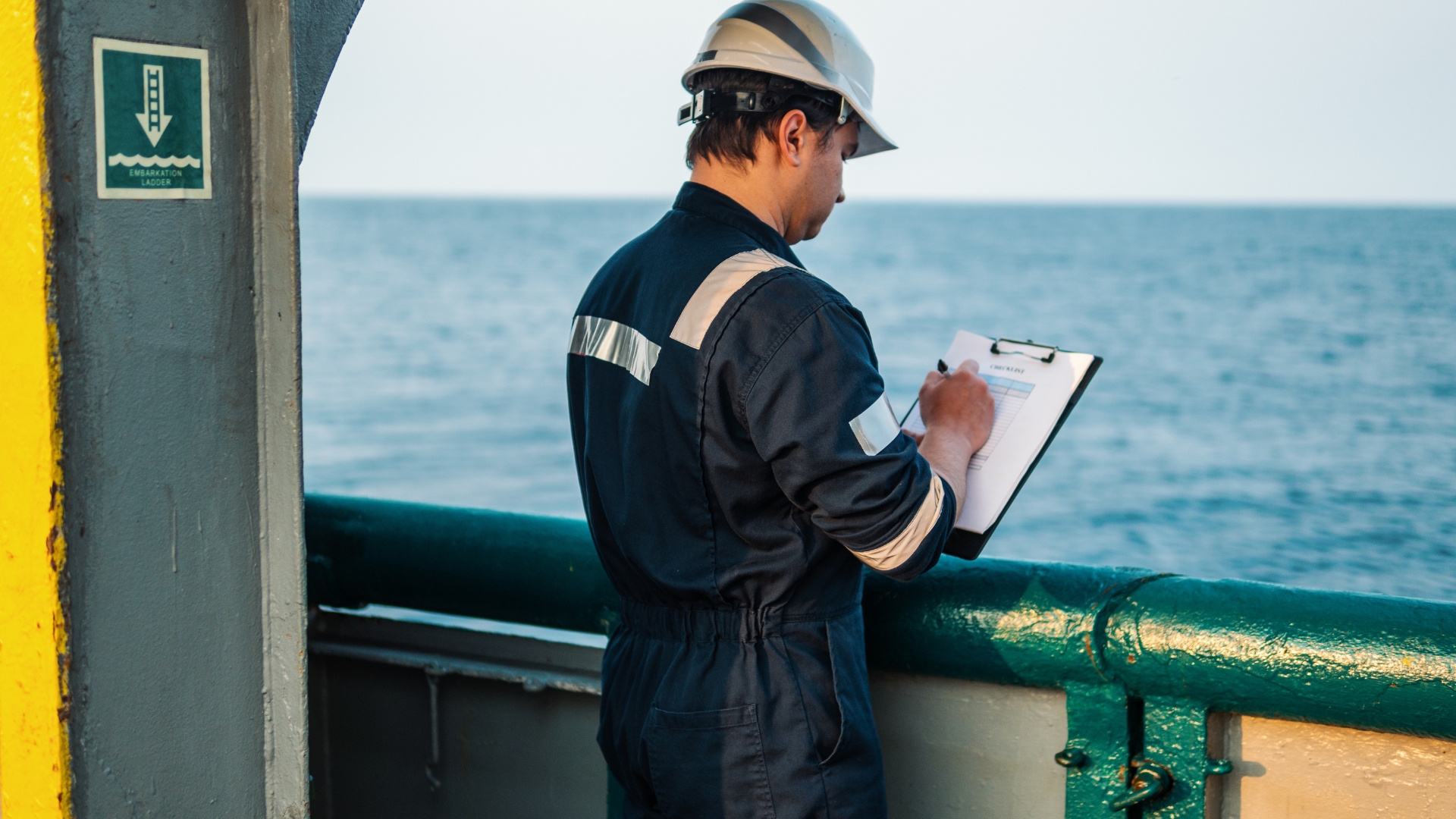
Do you know that nothing at sea will give you a second chance? A small oversight can lead to costly penalties, delays and increase crew risks, even before you realise something has gone wrong. This is why marine inspection services are more important than just being a checklist. They are actually a reliability and investment in safety and operational confidence. Whether you are preparing for a port call or in the middle of planning the next voyage, inspections mean your vessel is not just compliant; it is rather dependable for your crew. This will give them confidence to handle high-risk situations.

Inspection services are not formalities
Inspection services must ensure the vessel is meeting critical safety standards under international conventions, such as MARPOL and SOLAS. A vessel inspection is not just about ticking off a checklist. It is more about identifying hidden risks before they happen. During inspection, trained professionals assess everything, right from safety equipment to documentation, making sure the engine’s health is in the best condition. This routine check will not only prevent accidents but will also spot issues early, which is actually cheaper and quite easy to fix.
Vessel safety compliance is evolving
Regulations are evolving, so what was compliant last year might not be acceptable in the new scenario. So this is where safety compliance becomes important, irrespective of the fact whether you are talking about navigation systems or life-saving appliances, certificates and instructions. Each must align with the current standards. Regular inspections also help in flagging outdated equipment, process gaps, and lapsing certificates before the deadline hits. Nevertheless, keeping up with compliance is not an option. It is actually mandatory because it protects your crew, your cargo, and also your commercial reputation in the market.
Port state control inspections are a reality check
Do you know what the most dreaded reality check is for a shipping company? It is a port state control inspection. These inspections verify compliance as per international regulations and may lead to detention if there are any kinds of non-conformities. Routine inspections will prepare the vessel to pass the examination with full confidence. So when you are addressing the issues earlier, you’re not only reducing the chances of detention, but you’re also getting rid of associated penalties and any kind of operational disruption.
Safety equipment inspection: The heart of preparedness

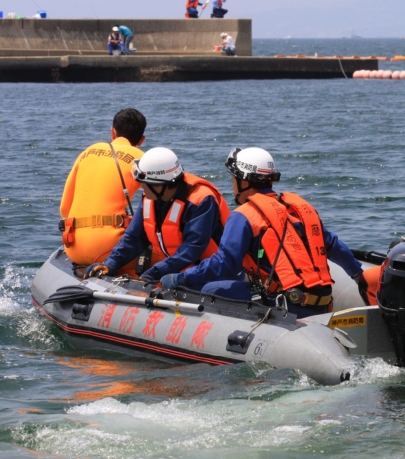
A vessel’s safety gear, such as communication systems, emergency equipment, lifeboats and life rafts, remains unused for months. However, whenever an incident happens, they must work flawlessly. Hence, regular safety equipment inspection will make sure that the life-saving systems are in the best condition. They ensure that:

  • Certification tags are proper
  • Life-saving devices are functional
  • Alarm system batteries and deployable gear are ready for inspection
This will give your crew the necessary confidence and also minimise the risk that might arise out of equipment failure during critical situations.
Marine regulatory compliance enhances efficiency and reduces risk
Regular inspections will help to maintain regulatory compliance, which is necessary for smooth operations, especially in international waters. Inspections don’t just give safety; they actually help in:
  • Avoiding detention and fines
  • Enhancing operational planning
  • Building trust with authorities and partners
  • Maintaining insurance validity
Try to make compliance part of your operations so that your vessel sails with fewer surprises and more predictability. Staying ready is not just good practice. It is more about having penalty-free and safe operations! Ensure your vessel meets all safety standards. Book marine inspection services with Global Marine today.